


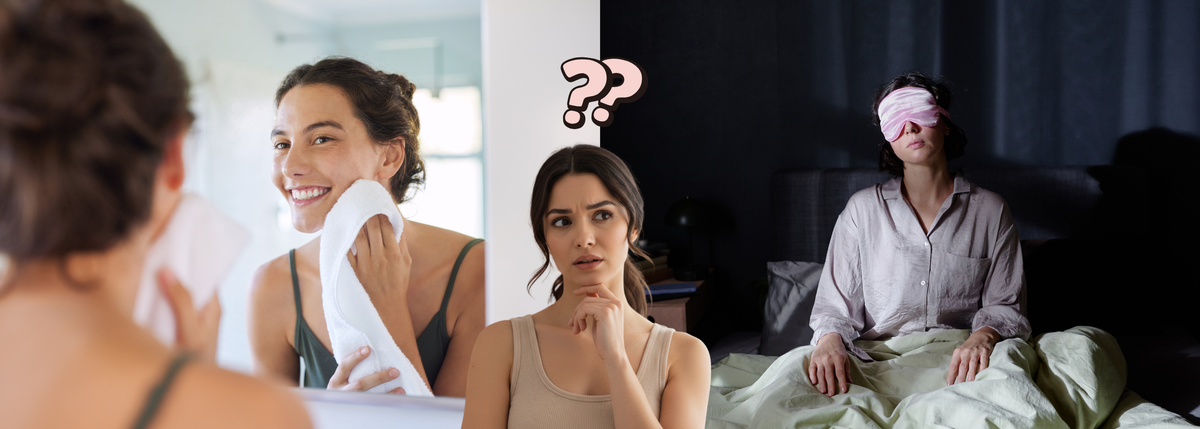
Self Tan at Night vs. Morning: Which is Better for a Flawless Finish?
If you're a glow-getter, you've probably asked yourself: Should I apply my self-tan at night or in the morning? Both have their perks, but they also come with some challenges — like sweating, streaking, or the dreaded fake tan sheets mess. The good news? With the right approach (and the help of tools like a self-tan sleep sac or tan sheet protector), you can make either option work beautifully.
The Case for Nighttime Tanning
Applying false tan before bed is one of the most popular methods — and for good reasons. You get to wake up glowing without sacrificing daytime hours.
Benefits of Night Tanning
1. Convenient: just apply, slip into a self tan sac or tanning sleeping bag, and let the product work while you sleep.
2. Deep Development: Most self tanners takes 6-8 hours to fully develop, making overnight the ideal window.
3. Effortless Routine: You can pair tanning with your nightly skincare.
Challenges of Night Tanning
1. Sheet Stains: Without protection, your tan may transfer to your bedding, pillow cases or even leave blotches on sheets.
2. Sweat Patches: If you run hot at night, sweating can cause uneven development.
3. Movement Streaks: Tossing and turning can shift your tan, leading to patchy areas.
Nighttime Hacks
-
Sleep in a Tan Fan Self Tan Sleep Sac (silky tanning sac that doubles as a self tan sheet protector). It's one of the best ways to keep your fake tan sheets, and mattress stain-free.
- For extra coverage, layer with tanning blankets or a fake tan bed protector.
-
Keep your room cool with a Tan Fan Sleep Sac to prevent sweating while your tan sets.

Self-Tanning in the Morning
Some glow-lovers prefer to tan in the morning so they don’t have to worry about their sheets at night.
Benefits
-
You can control your environment (stay cool, avoid sweating).
-
Less risk of product transfer to sheets.
-
You can rinse it off at the ideal time for a lighter, natural finish.
Challenges
-
You need extra time in your morning routine.
-
Wearing clothes too soon can cause streaks.
- You'll need loose clothing (no tight jeans right after tanning!).
Morning Fix
If you choose the AM route, speed up drying with a tan powder on areas prone to creasing, like elbows and behind the knees, to lock in your false tan.
So, Which is Better?
The answer depends on your lifestyle:
- Night tanning is best if you want a deeper color with minimal effort (just make sure you use a sleep sac for self-tanning or a fake tan sheet protector).
-
Morning tanning works well if you want control, less mess on your sheets, and the flexibility to rinse earlier for a lighter glow.
Either way, a few smart self-tanning hacks — like using a self-tan sheet protector — will help you achieve a streak-free bronze without sacrificing your linens.
Related Articles
How Long Should You Leave Self-Tan On? The Ultimate Guide to a Perfect Glow
Sleeping in Self Tanner: Tips for a Stain-Free Night
Why You Should Sleep in a Tanning Sleep Sack
How to Tan While You Sleep — And Actually Wake Up Golden
Self Tan Overnight Hacks for a Deeper, More Even Glow
Lucy Sherman is a Founding Partner at JuicyBear with experience in e-commerce, business growth, digital marketing, and marketplace strategy. She has built and scaled successful businesses, with expertise in strategic growth, customer engagement, and online business development.
Read more
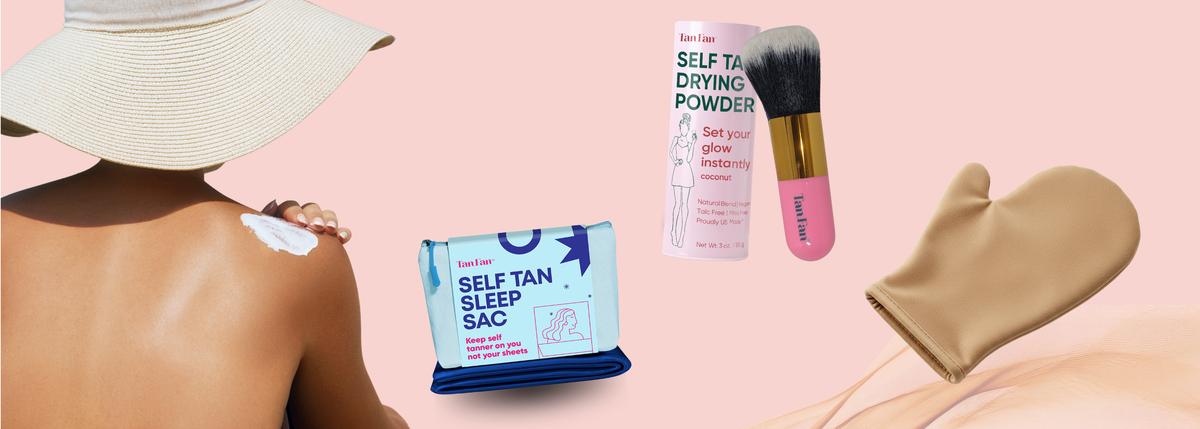
How to Apply Self-Tan Without Streaks: Pro Tips for a Flawless Glow
If you love a golden glow but dread the dreaded tiger stripes, you’re not alone! Applying self-tan can be tricky, but with the right prep, tools, and a few clever tricks, you can achieve a smooth, ...
Read more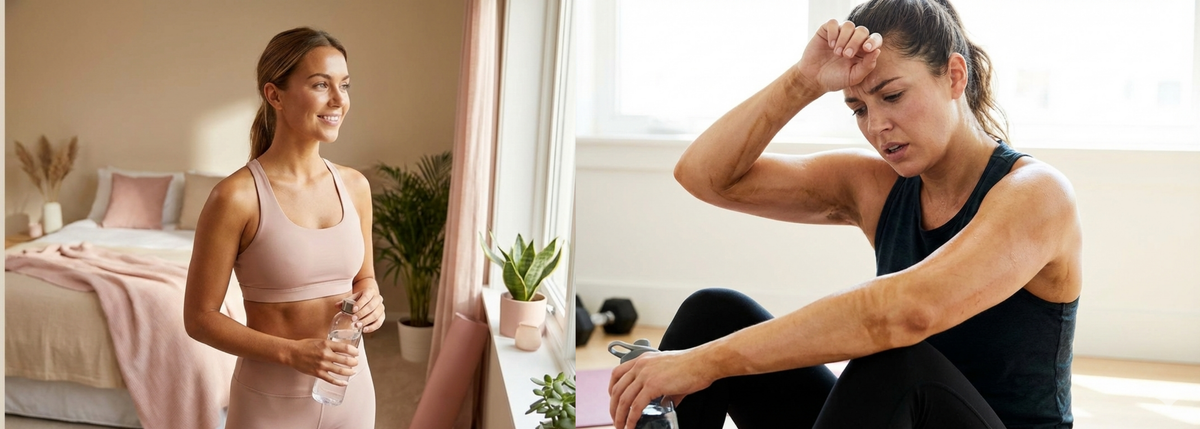
Can You Work Out After Self Tanning? Here’s the Truth
Self tanner is a lifesaver when you want that sun-kissed glow without actually getting yourself burnt under the sun. There’s nothing quite like the instant radiant and bronzed glow you get from you...
Read more